
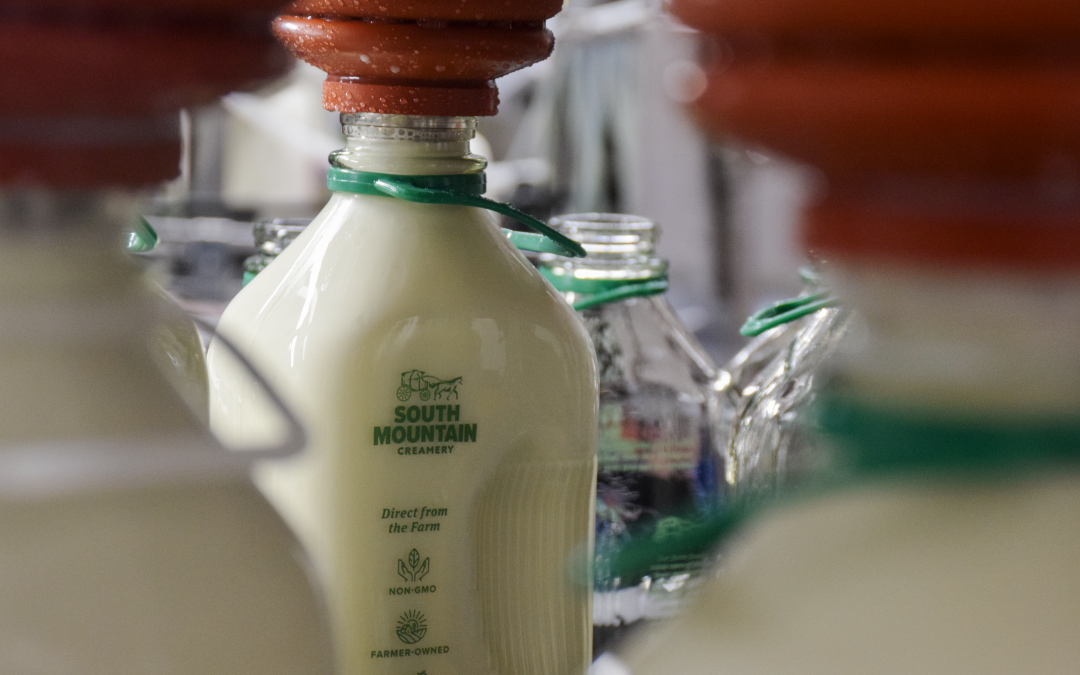
If you’ve looked closely at the label on your milk lately, you might have noticed something different. We’ve stopped adding vitamins A and D to our milk. It’s a small change on the label, but it’s one we thought about for a long time. So we wanted to tell you about it ourselves, explain why we made it, and answer the questions we know some of you will have.
What Fortification Actually Is
Fortifying milk means adding vitamins to it during processing. In the U.S., that’s almost always vitamin D, and in lower fat milks, vitamin A too.
The practice goes back to the 1930s, when vitamin D was added to milk as a public health measure, and it’s been standard ever since. Vitamin A came later for skim and reduced fat milk. It’s a fat-soluble vitamin, so some of it leaves with the cream when the fat is skimmed off, and adding it back brings the milk closer to where it started.
So when you pick up a typical gallon at the grocery store, you’re getting milk plus a small dose of added vitamins. It’s been that way for so long that most of us never think about it.
Why We Decided to Stop
It comes down to what we’ve always wanted our milk to be: milk, the way our cows make it.
Our milk doesn’t travel across the country or sit in a warehouse. It goes from our herd to our on-site creamery, gets gently pasteurized, goes into a glass bottle, and heads out on our trucks to your door. Every step of that is about keeping things simple and keeping the milk as close to the source as we safely can.
Adding vitamins was the one step that didn’t quite fit. More and more of you have told us you want food with short ingredient lists and nothing added that doesn’t need to be there. We agree. When the label on our whole milk says “milk,” we want that to be the whole story.
We also think good milk speaks for itself. Our cows are well cared for, well fed, and milked right here on the farm. What comes out of them is already one of the most nourishing foods there is.
What This Means for Your Milk
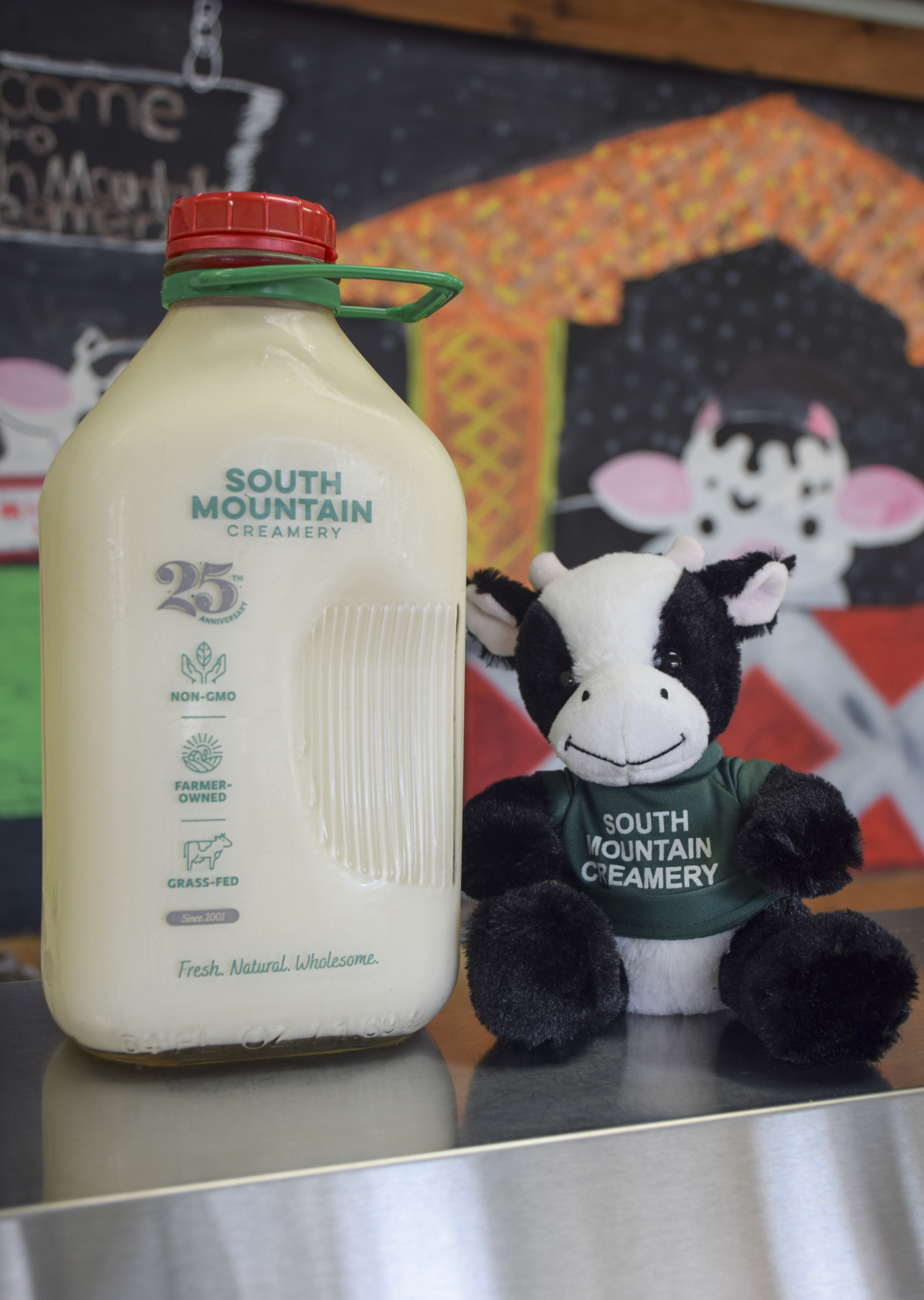
The short answer: it’s the same milk you love, just without anything added.
- Same taste. Fresh, creamy, and clean, the way it’s always been.
- Same natural goodness. Milk is naturally rich in calcium, protein, potassium, and B vitamins, and none of that changes. Whole milk also carries some vitamin A on its own, right in the cream.
- Same farm, same process. Same herd, same creamery, same glass bottles, same delivery day.
The one real difference is vitamin D. Milk without added vitamin D has much less of it than fortified milk. If your family has counted on milk as a main source of vitamin D, there are plenty of other ways to get it, like time outdoors in the sun, fatty fish, and eggs (ours come from Certified Humane, cage-free, free range hens). And if you have specific nutrition needs, your doctor is always the best person to ask.
Questions? We’d Love to Hear From You
We know milk is something a lot of you pour every single day, so changes like this matter. If you have questions about our milk or how it’s made, give our Customer Care team a call at 301-371-8565. We’re always happy to talk. From our cows to your glass, just milk. Here’s to knowing where your food comes from!


